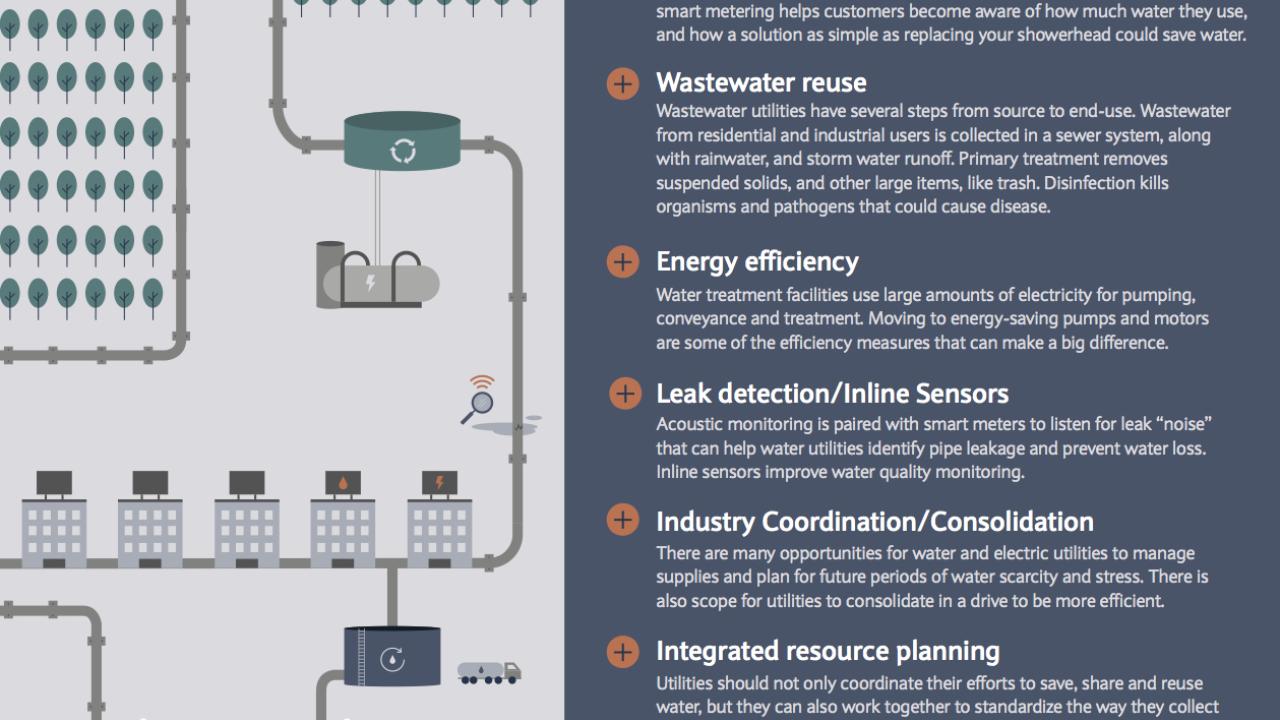
Across industries, companies are facing mounting water challenges. Drought, flooding, pollution, and competition for supply are no longer isolated events. They are becoming regular features of a changing climate and shifting regulatory landscape.
Once upon a time not that long ago, in a land nearby to everywhere, Chicken Little was hit on the head by an acorn while on his way through the forest to get to school. Stunned and traumatized, he instinctively reached for his iPhone and tweeted: “#theskyisfalling,” assuming that as usual, it would be seen only by his small group of followers. As it happens sometimes, the story went viral.
Do you ever wonder what happens to old tires? Far too many end up in landfills. Today, Cox is deploying an innovative technology that saves space in landfills, creates new products and supports jobs. Cox subsidiary, Seven Islands Environmental Solutions, recently opened the Golden Isles Conservation Center in Nahunta, Georgia. The facility’s purpose: convert old tires into new, eco-friendly products.
The circular economy – an economic model focused on designing and manufacturing products, components and materials for reuse, remanufacturing, and recycling – promises big opportunities for the private sector to drive new and better growth and accelerate innovation. Shifting to the circular economy could release $4.5 trillion in new economic potential by 2030, according to Accenture.
CSX Corporation (Nasdaq: CSX) has released its seventh annual Corporate Social Responsibility Report, titled “Moving Forward.” The report documents CSX’s commitment to responsibility and its 2016 performance across environmental, social, and governance topics.
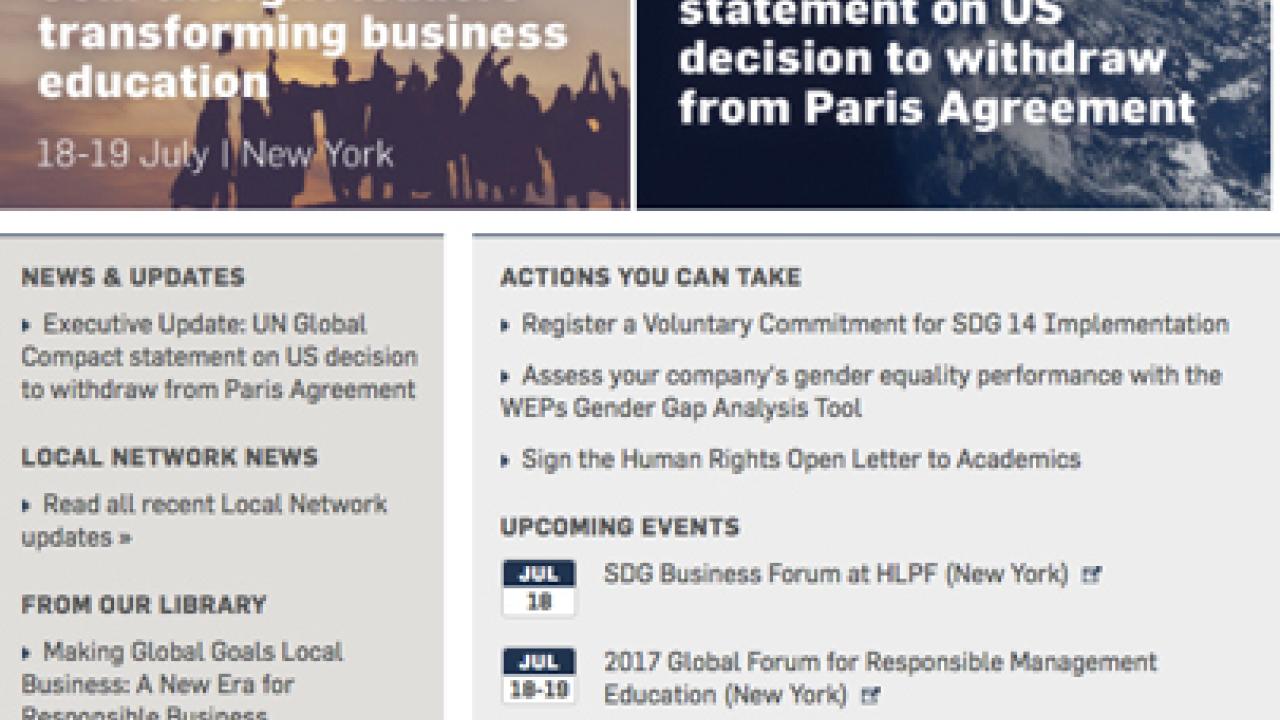
Yesterday’s withdrawal from the Paris Agreement by the US Federal Government is not good news. However, businesses from around the world will not give up and will double down on their commitments to work together, in order to continue to find new and rewarding solutions in all countries of the world. The Paris Agreement has made the transformation to a low-carbon economy inevitable. This transition will in the long run be the only way to deliver successful financial results for companies, strong economies with jobs everywhere and a planet that is liveable for all.
I’ve received many questions over the past few months about Ingersoll Rand’s commitment to reducing energy demand and greenhouse gas (GHG) emissions. Those questions intensified this week with news of the United States’ withdrawal from the Paris Agreement on climate change.
We are disappointed by the decision of the United States to leave the Paris Agreement, a historic global accord to combat climate change and protect our planet for future generations. Despite this setback, there is also cause for optimism. The Paris Agreement has activated an unstoppable momentum for climate action, with an essential role spelled out for responsible business.
In 2016, after a decade of planning and debate, airlines and the FAA finally greenlit key updates to outdated tracking, navigation, and communication technologies. JetBlue is investing $60 million in NextGen technology to create much-needed efficiencies and reduce emissions.
The communities where Chemours operates are also where we live, work, and play, and our mutual success is one and the same. We have a vested interest...
Everyone’s financial journey is different. We make intentional efforts to meet the individual needs of clients and communities through a diverse range...
Trane Technologies is a global climate innovator with a clear purpose to boldly challenge what’s possible for a sustainable world. See how embedding...