Discover how to conduct materiality assessment surveys in 7 steps. Uncover critical ESG insights from stakeholders to drive your sustainability strategy and reporting.
U.S. companies that collect waste for recycling are weighing higher prices and other changes to their operations since China upended the industry when it stopped accepting much of the scrap material Americans have been shipping there for decade.
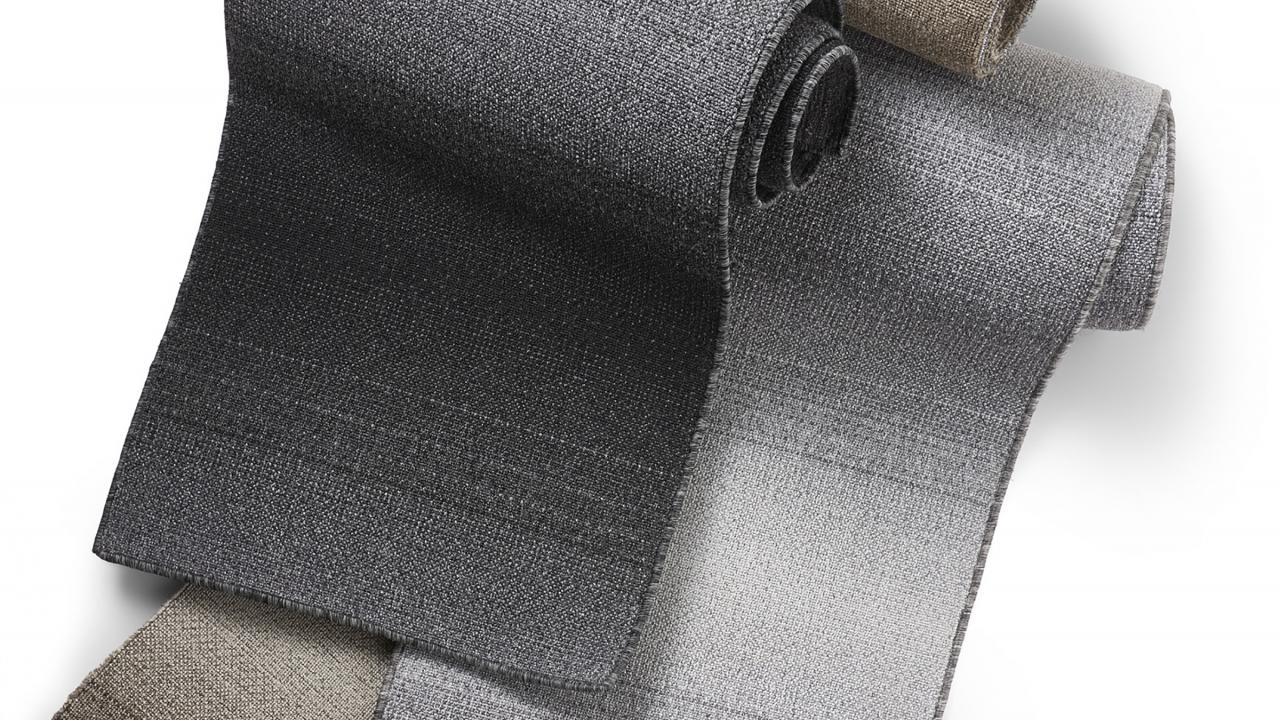
Nutopia, one of our newest Living Products, explores natural effects in urban settings for a new take on biophilic patterns. The unique carpet tile collection meets the most stringent sustainability requirements while offering a multitude of wayfinding and branding opportunities.
With its important role in sequestering carbon, soil is gaining recognition as a tool for mitigating the growing threat of climate change. As a result, agriculture-based industries, such as food, textiles and to some extent cosmetics, are digging into the health of soil — the key to sequestration. These industries are engaging with sustainable agricultural practices designed to regenerate and enhance this critical natural resource.
At its plant in Austin, Texas, Samsung produces chips that go into mobile devices. Precise temperature and humidity control are essential to the fabrication of semiconductors, which is why these facilities have large chiller operations. They also consume significant amounts of Ultra Pure Water (UPW) and generate substantial wastewater.
In response to the Trump administration’s proposed rollback of vehicle fuel economy and emissions standards, influential investors and business leaders are raising concerns that the change will undermine the global competitiveness of the U.S. auto industry.
Circular economy has gained considerable momentum in the past couple of years. It entails a restorative and regenerative approach by design and aims to keep products, components and materials at their highest utility and value at all times (The Ellen MacArthur Foundation, 2015).
When you read about the giant islands of plastic garbage in our oceans, or see time-lapsed photos of diminishing arctic sea ice, in order to stave off the helpless feeling that creeps up into your throat, do you ever reach into your wallet intending to donate to an organization that’s making a difference? But then you may hesitate. To whom should you give to have the greatest impact?
The Arbor Day Foundation announced today a new partnership with Grove Collaborative — an auto-shipment service offering natural household products — to plant 100,000 trees in forests of high need. Grove Collaborative has pledged to donate 1 percent of sales from Grove Collaborative’s Seedling branded paper products toward the Foundation’s reforestation efforts on an ongoing basis.
We support employees in their desire to give back – connecting them to organizations where they can make a difference. Motorolans are good citizens by...
About the Guiding Stars Nutrition Science Blog The Guiding Stars Nutrition Science blog is your place for digestible nutrition information. Hear from...
The business landscape is reorienting itself and you can almost hear priorities shifting toward change-readiness and the bigger picture. And in this...
As the leading sports and live music company in the world, we recognize our responsibility to provide industry leadership and to conduct our business...