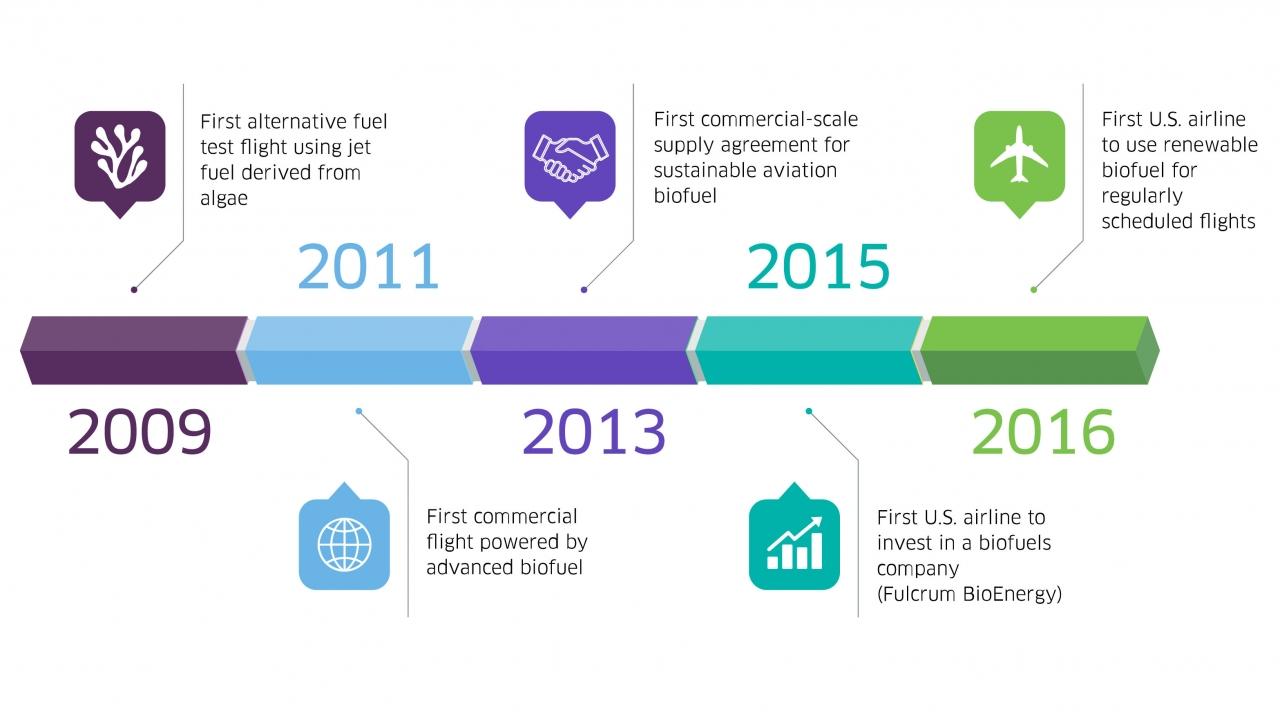
Inspiration pushes us beyond the horizon. Innovation carries us even further — to the skies, revealing a whole new world of possibility. A world where staying connected with loved ones becomes limitless.
A small Austrailian company called Circa Group and the lab services giant Merck KGaA have teamed up to launch a new solvent intended to replace two old but environmentally suspect standbys: N-methyl-2-pyrrolidone (NMP) and dimethyl formamide (DMF).
There’s no better place to talk about bridging the gap to economic vitality in Latin America than in Miami, where the 6th annual eMerge Americas conference recently took place. eMerge brings together business and government leaders who are transforming industries, countries, and lives with innovative digital technology.
Today, 2.3 billion people – or one in three people worldwide - still do not have access to basic sanitation. As a leading company in sanitary ware, LIXIL has incorporated design and technology to solve real consumer needs in all of its bathroom products, but it is also dedicated to improving accessibility to basic sanitation as an opportunity to solve one of the world’s greatest challenges, and to do so sustainably by helping to develop a future market. Establishing Global Sanitation & Hygiene as one of the pillars of its Corporate Responsibility Strategy, LIXIL has been tackling the global sanitation crisis by commercializing solutions such as its innovative and affordable SATO products.
At VMware, we’re on a journey to put back more than we take, delivering long-term shared value for our stakeholders, and unlocking opportunities for all. As part of that journey, for the past three years, we’ve been working with the pro bono experts at Taproot Foundation, investing in tools and resources to help nonprofits build their technical capacity.
On June 1, 2019, the renewable energy generated by Seymour Hills Wind Farm in northwestern Texas started helping Ingersoll Rand reduce U.S. Scope 2 greenhouse gas (GHG) emissions from electricity by about 30 percent through a virtual power purchase agreement.
This is equivalent to taking 15,000 cars off the road.
Today a coalition of leading global brands gathered at SB’19 Detroit to launch Brands for Good, a movement to make sustainable living easier and more rewarding for people around the world. Founding partners on the cutting edge of sustainability, innovation and marketing in the food & beverage, consumer goods & lifestyle, retail and technology industries have agreed to harness their brand reach, resources and influence to make the Good Life more attractive, attainable and sustainable.
In the water industry, data is driving the discussion. To understand what this means requires a story about motor oil.
For decades, car manufacturers recommended that vehicles have their engine oil changed at least every 3,000 miles without fail. This was never proven practical, given that such decisions should be based on individual driving style, the conditions and climate – even the type of oil used. But these real-world conditions don't tend to factor into the carmaker's original guidelines.
Water, water everywhere. And with the troubling prospect of more of it in coming years, concerns over climate change and its effects are deepening, from more frequent extreme events in the Midwest to rising sea levels affecting low-lying areas vulnerable to coastal flooding. Aging infrastructure still dominates the discussion, yet a pressing question lingers: How can water utilities and those entrusted to oversee them do more, sometimes with less, to mitigate against mega-storms already proven to outmatch legacy conveyance and storage strategies?
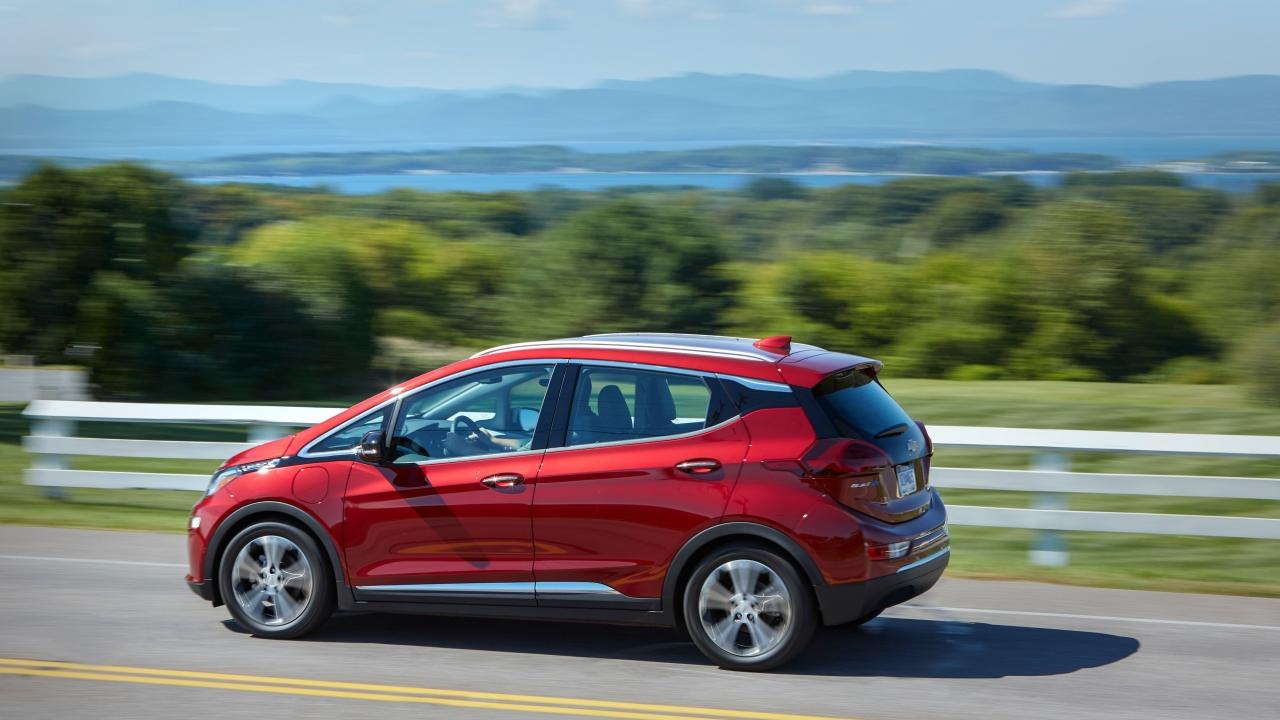
Michelin and General Motors have presented a new generation of airless wheel technology, the MICHELIN Uptis Prototype (or “Unique Puncture-proof Tire System”). GM intends to develop this airless wheel assembly with Michelin and aims to introduce it on passenger vehicles as early as 2024. Later this year, GM will initiate real-world testing and validation of the Uptis Prototype on a Michigan test fleet of Chevrolet Bolt EVs.
EcoFactor, Inc.’s energy intelligence software, the leading energy management technology for the connected home, has been purchased by Trane’s Residential HVAC business. EcoFactor’s cloud-based technology will power Trane’s Nexia Intelligence platform. The solution will help further Nexia’s leadership in smart home automation by providing unique artificial intelligence (AI) capabilities for energy efficiency and HVAC fault detection.
AEG embraces its responsibility to enrich the lives of people in the communities around the world where we do business, and to use business to create...
The business landscape is reorienting itself and you can almost hear priorities shifting toward change-readiness and the bigger picture. And in this...
AEG embraces its responsibility to enrich the lives of people in the communities around the world where we do business, and to use business to create...
Driving awareness of DP World’s Employee Value Proposition across the Americas, showcasing the company’s purpose-driven mission, talent strategy, and...
Diverse teams build better products — period. At GoDaddy, we make apps and services that our worldwide community of entrepreneurs can relate to. Our...