In this follow-up to our last episode on AI in the tech industry, Host Angie Dickson, President of the Inogen Alliance and EVP of Antea Group USA, sits down with Karl Huntzicker, Global VP of Health and Safety at Salesforce, to look ahead at the future of AI in EHS.
While the headlines might focus on Ebola or yellow fever, Africa is slowly winning the fight against infectious diseases. They will remain a challenge for decades to come, but the real threat of the future is expected to come from elsewhere: non-communicable diseases (NCDs) like diabetes, cardiovascular disease and cancer. We must find creative new ways to tackle these health challenges, which will call for us to pool resources and expertise from all those involved in the delivery of healthcare.
When was the last time you sent someone a letter in the mail? Has it been a while? By contrast, when did you send your last email just by pushing a button? Technology and its ability to automate routine tasks is not only changing our lives, but also transforming the way we support meaningful causes. Writing a check is like writing a letter when there’s email. It’s wildly less efficient than using electronic payments. The global movement toward electronic payments is far more than just a “flavor of the day.” According to the latest survey done by the AFP (Association of Finance Professionals), 80% of North American companies are transitioning their B2B payments from paper checks to electronic payments, and several large countries have already ceased using checks completely.
Team Babble won the US$10,000 grand prize at the CTU and AT&T* 2016 V4 Hackathon. The team created the winning mobile app during the 24-hour development contest.
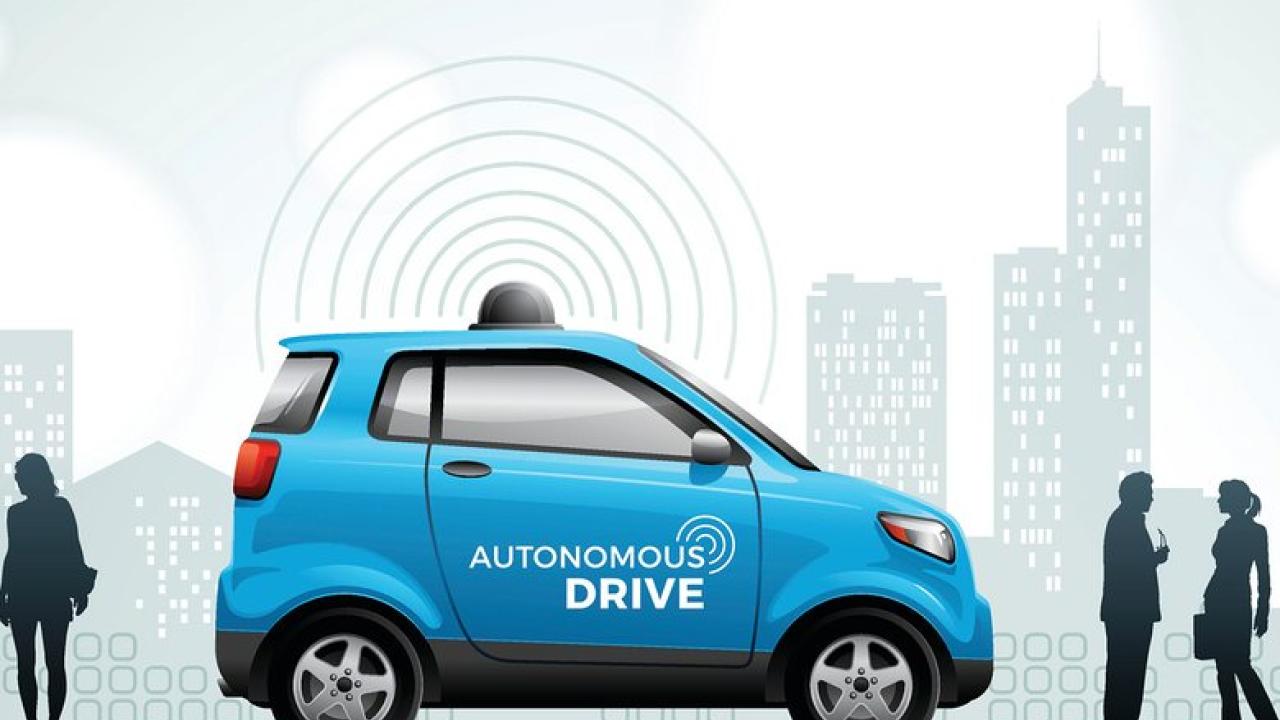
The 2015 Sustainability Report, Accelerating Ahead, uncovers how GM is sustainably moving the world through connectivity, car-sharing, alternative propulsion and autonomous vehicles.
Roads were the biggest problem. So what if you could get around roads altogether?
The people at Zipline have backgrounds in building reliable robotics systems. They’ve seen first-hand how technology can make the impossible, possible. They knew there had to be a better way to deliver medical care to a region where lives depend on finding a better solution.
Across the nation, companies large and small are realizing both the environmental and operational benefits of sustainability and energy efficiency programs. We’d like to take some time to recognize inspiring technology companies that are successfully using these programs to reduce their environmental impact and make the world a better place.
Starlight Children's Foundation and Astellas USA Foundation are partnering to advance children's health and education through technology with the placement of two VGo robots at Rush Children's Hospital at Rush University Medical Center in Chicago. Patients, staff and representatives from Astellas USA Foundation gathered at the facility today to officially unveil and celebrate the new technology.
AEG embraces its responsibility to enrich the lives of people in the communities around the world where we do business, and to use business to create...
Environmental Responsibility: We’ve achieved 14 out of 16 of the environmental goals we set in 2010, and we will accelerate our progress as we work to...
At Whirlpool Corporation, we have a history of advances in sustainability founded on a simple principle: "Do the right things, the right ways. Always...