For decades, the definition of “infrastructure” has remained unchanged and was used to define roads, bridges, electricity and water delivery systems, among other examples. But as cities continue to build upon smart city efforts, the concept and very definition of infrastructure is changing.
In our new report, TURNING POINT: Corporate Progress on The Ceres Roadmap for Sustainability, we take a closer look at how more than 600 of the largest U.S. companies are responding to these calls and positioning themselves for success in a world increasingly shaped by unprecedented environmental and social challenges. The analysis specifically takes a closer look at the progress of more than 600 companies to meet 20 key expectations of sustainability leadership within the areas of governance, disclosure, stakeholder engagement, environmental and social performance, as outlined in the Ceres Roadmap for Sustainability.
David Lear, vice president of sustainability at Dell Inc., shares his insights on how on how supplier engagement can drive product and sustainability innovation.
TURNING POINT: Corporate Progress on the Ceres Roadmap for Sustainability is a new assessment released by Ceres that examines how more than 600 of the largest publicly traded companies in the U.S. are responding to urgent calls to act on climate change and other sustainability threats, such as water pollution and scarcity, and human rights abuses, and positioning themselves for success in a world shaped by these unprecedented environmental and social challenges.
Geisha Williams, CEO and president of PG&E talks about the opportunities for utilities to capitalize on decarbonization of the transportation sector. Learn more about how utilities are making progress towards reducing greenhouse gas emissions in Ceres new analysis, Turning Point: Corporate Progress Against the Ceres Roadmap for Sustainability, at www.ceres.org/turningpoint.
Val Smith, managing director and global head of corporate sustainability at Citi, discusses how The Ceres Roadmap for Sustainability serves as an important framework for benchmarking and understanding best practice for sustainable business leadership.
Arrow Electronics released its annual Corporate Social Responsibility (CSR) and Sustainability Report, an overview of its 2017 social, environmental and economic impacts. The global technology company’s influential CSR programs transform ideas into real achievements that help people and the communities in which Arrow lives and works.
Andrew Plepler, global head of ESG at Bank of America, discusses how the Ceres Roadmap for Sustainability provides the company with a comprehensive framework for corporate sustainability leadership.
Catherine Gunsbury, director of sustainability and transparency at General Mills, discusses the value of stakeholder engagement.
TURNING POINT: Corporate Progress on the Ceres Roadmap for Sustainability is a new assessment released by Ceres that examines how more than 600 of the largest publicly traded companies in the U.S. are responding to urgent calls to act on climate change and other sustainability threats, such as water pollution and scarcity, and human rights abuses, and positioning themselves for success in a world shaped by these unprecedented environmental and social challenges.
Highlighting the top news, commentary, and research for the week coming from SHQ. The highlights newsletter also spotlights one profiled organization...
The business landscape is reorienting itself and you can almost hear priorities shifting toward change-readiness and the bigger picture. And in this...
AEG embraces its responsibility to enrich the lives of people in the communities around the world where we do business, and to use business to create...
In states where Key has a presence, there are approximately 1.7 million low- to moderate-income (LMI) households. Many LMI individuals don’t have bank...
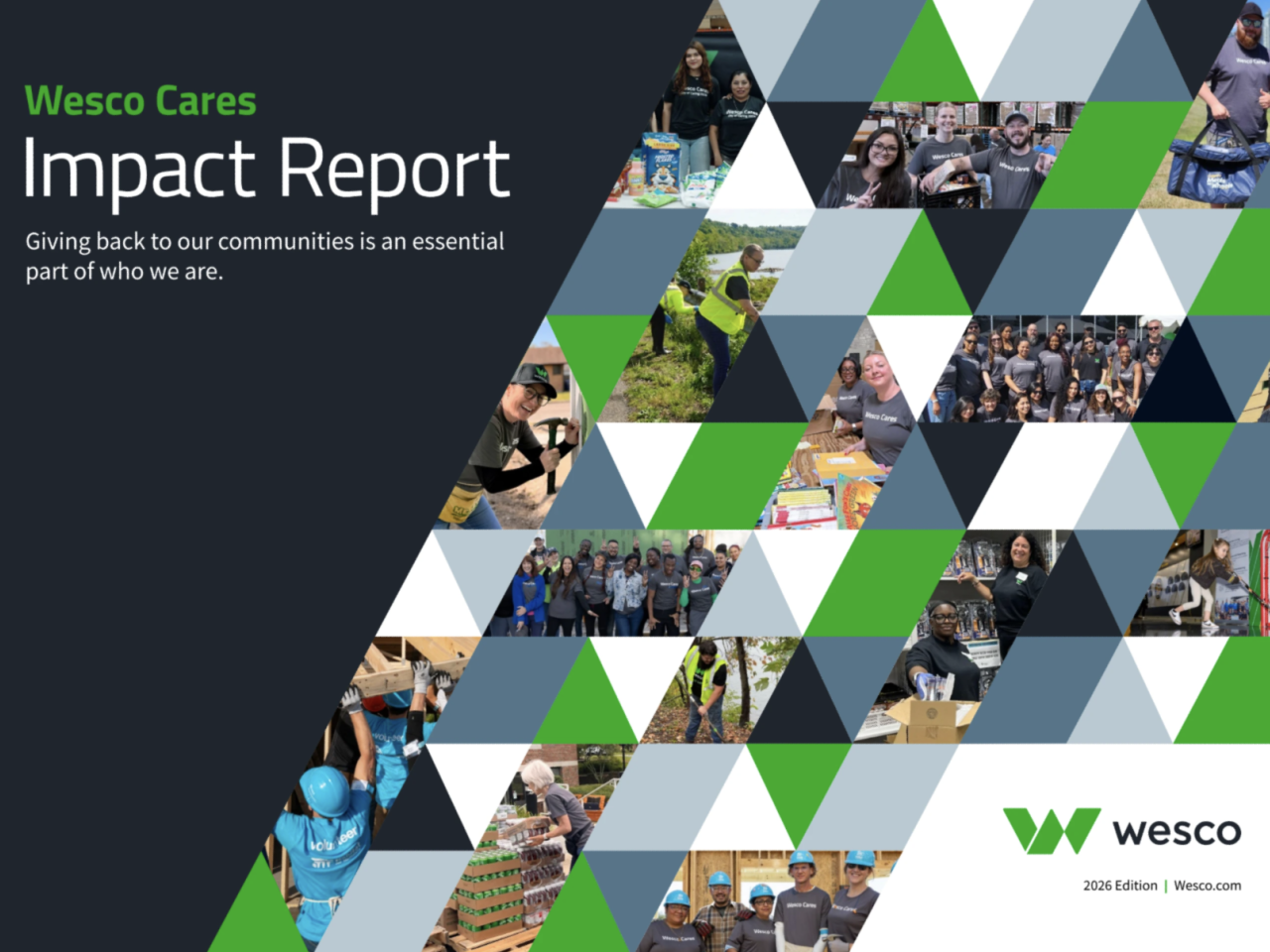
Life-changing events can happen to any of us, often when we least expect them. Employees in need can turn to the Wesco Cares. Its mission is to be an...