Teens are already using AI for homework. Research suggests they use it more responsibly when clear expectations are in place—yet many say they don’t have them.
The first 40 years I lived a life of noble poverty. When I heard the term “noble poverty,” I had a visceral reaction in my heart and my gut. I felt deeply understood. I experienced a relief of having named a condition I had lived with since I was a child.
At the beginning of every school year, many eager children sit in the front of the classroom armed with No. 2 pencils, wide-ruled paper and all of the other supplies needed for success. Some students never have to worry about not having access to the materials needed for class. However, that is not the case for many children around the U.S.
Recently, I had the pleasure of participating in a debate at Web Summit on an increasingly important topic: “Future of Tech: Will Everyone Benefit?” It’s a question we should all contemplate and analyze. As tech breaks out and reshapes so many aspects of humanity, will all of this stunning innovation create a rising tide that lifts all boats, regardless of geography, background, or culture? Or will the advantages of tech innovation be limited to only the fortunate few?
Join thinkPARALLAX and Qualcomm™ Wireless Reach®, on Wednesday, December 7 at 10 AM PST, to learn how a social impact program can benefit both business objectives and communities.
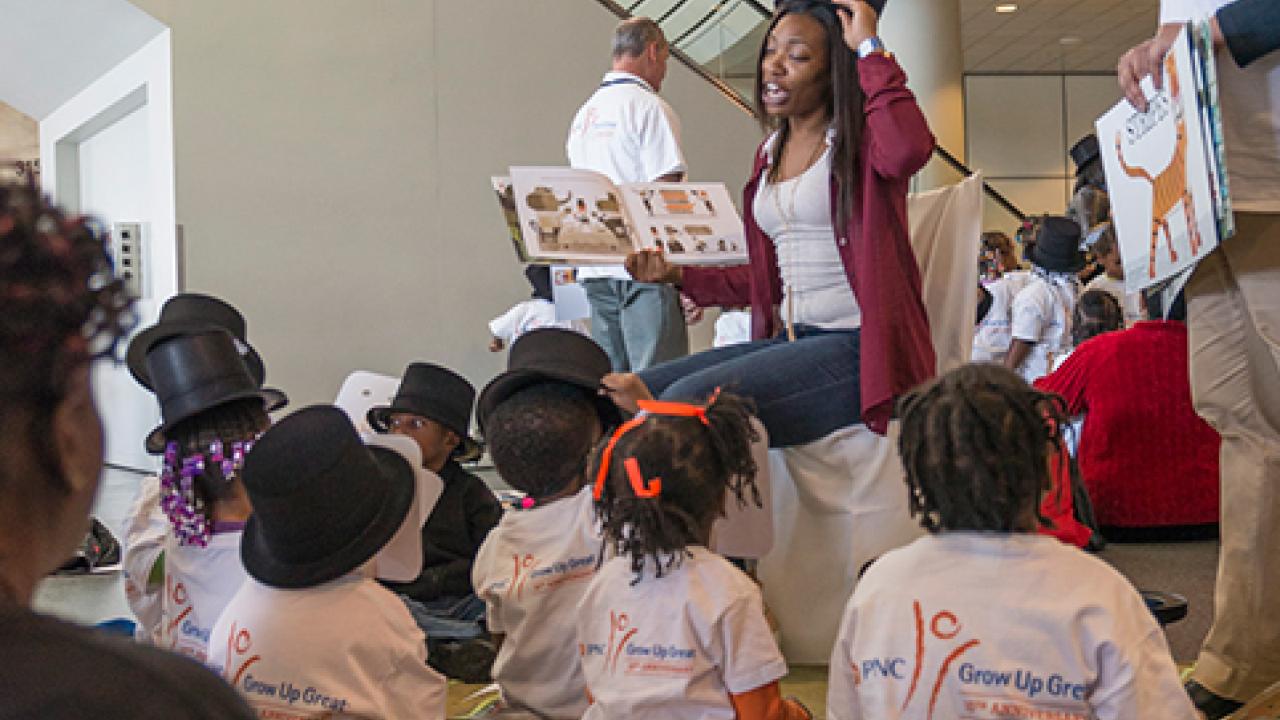
For some kids and teens, developing a love of reading can be difficult. After their family experienced this firsthand, siblings Alana, Jacob and Reuben Blumenstein founded KidsRead2Kids.com to help promote both the love of reading, as well as access to reading for youth and adults alike.
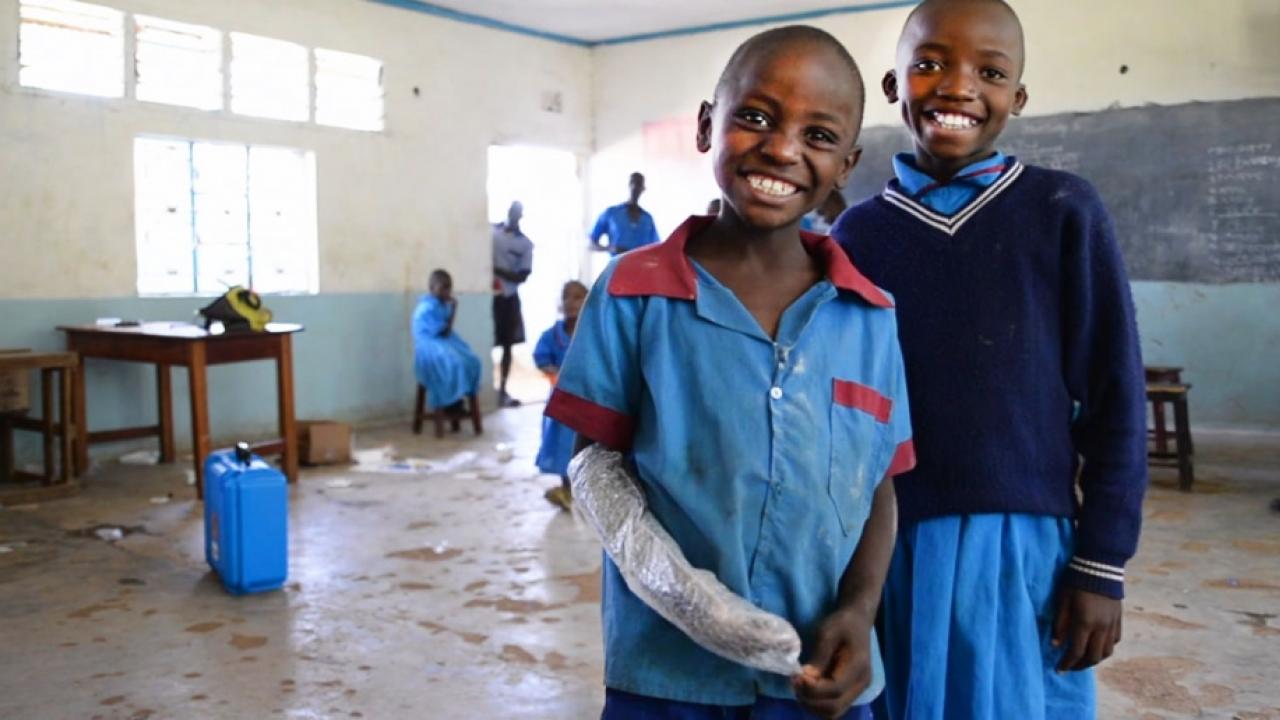
Today nearly 1.3 billion people — almost 1 of every 5 persons on the planet — lack access to modern energy. Almost all live in poverty in rural sub-Saharan Africa and developing Asia, unconnected to utility networks. Many companies offer stand-alone solar powered systems and mini-grid solutions, but the target communities often cannot afford the purchase price and lack the know-how to operate the systems. There are elements of a successful, sustainable approach to rural electrification projects, with examples of innovative business models and a case study of Schneider Electric’s Access to Energy program.
Join thinkPARALLAX and Qualcomm™ Wireless Reach®, on Wednesday, December 7 at 10 AM PST, to learn how a social impact program can benefit both business objectives and communities.
CITGO Petroleum Corporation recently announced the winners of this year’s fifth annual Fueling Education Sweepstakes. Through the CITGO Fueling Education program, 93 elementary and middle school teachers received awards that will help them to improve science, technology, engineering and math (STEM) education in the classroom.
Corporate governance, risk management, operational integrity, and regulatory compliance are demanding challenges that companies face in today’s ever...
Cascale shares updates on its strategic partnerships with industry stakeholders geared toward shifting the industry into one that gives back more than...
Advanced security, fraud, and data protection, Keeping your accounts and information secure is a priority for us, and we know it’s a priority for you...
The SCS Kingfisher certification mark is showing up on an increasing number of products around the world. It differentiates companies that are making...