In this bonus episode, host Keith Knoke from Antea Group USA is joined by Alizabeth Smith to explore one of the most overlooked aspects of risk management: organisational culture.
A new report, written by BSR in partnership with We Mean Business, explains the mechanisms of the Paris Agreement on climate change, how they will affect businesses, and how companies can seize the immense opportunities that the agreement unlocks.
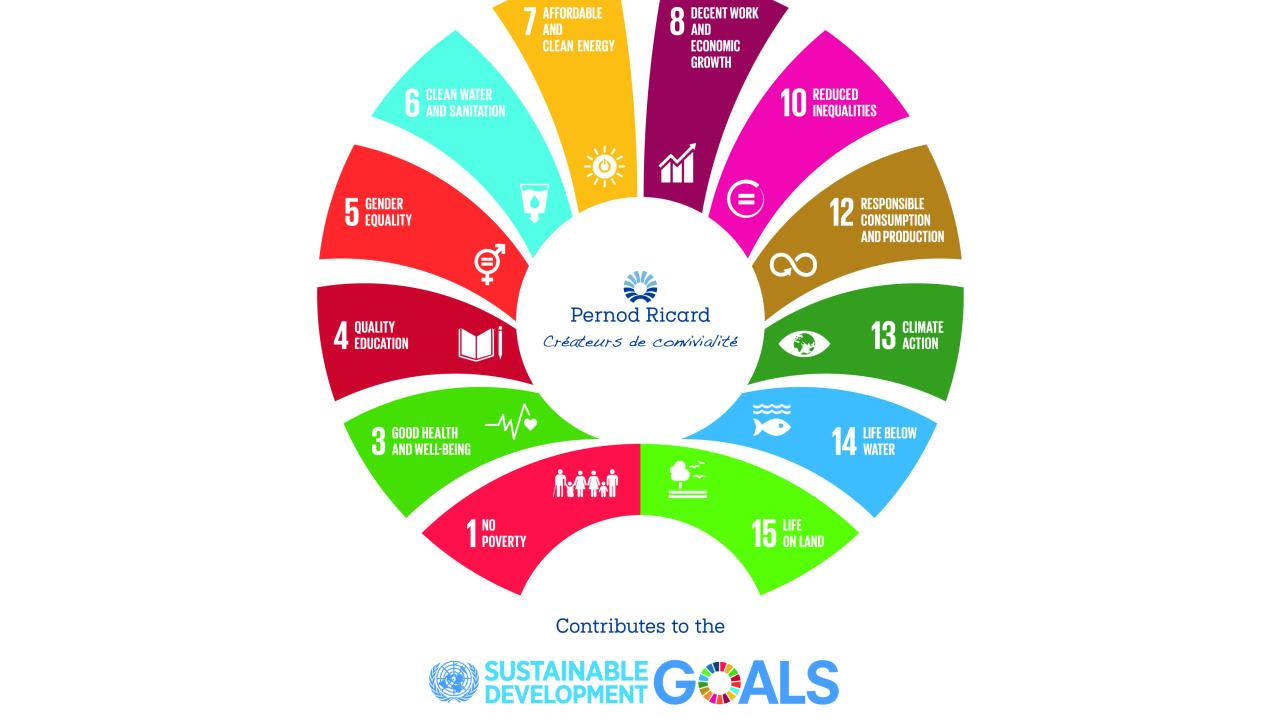
Introduced last fall by the United Nations, the sustainable development goals are aimed at solving the planet’s most vexing environmental and social issues over the next 15 years. BM&F BOVESPA updated the questionnaire companies must complete to be listed in its Corporate Sustainability Index to ask how the SDGs are incorporated into company sustainability practices and strategies.
This April, Fashion Revolution, a non-profit organization, released their annual Fashion Transparency Index report. The Index ranks 40 of the most recognizable fashion brands based on their supply chain transparency and governance practices. The average score was 42%, with only three brands receiving a “top rating” of up to 77%. Companies with higher scores made their supply chain policies available to the public, and had auditing and reporting policies in place. A majority of companies receiving low scores merely had a code of conduct available on their websites.
Understanding environmental law and the potential damage to capital value of environmental risk is critical for overseas investors in the UK. Julie Townsend, Senior Director in Environmental Consultancy explains the differences between UK and overseas environmental laws and explains how risks can be minimized or avoided in pre purchase due diligence.
Many electric vehicle owners love their ride, considering it their dream car. They enthusiastically share tips on, say, how to drive more electric miles. They gush that these vehicles offer a quiet ride and zippy torque that makes them feel like luxury automobiles – without the premium gas prices.
Even with wide-ranging unpredictable gas prices, U.S. automakers will remain profitable and suppliers will benefit under existing national fuel economy standards slated to be in place until 2025, according to a new economic analysis prepared by independent automotive industry analysts and commissioned by the nonprofit group Ceres.
Forced labor generates $150 billion in illegal profits every year. From hazardous conditions in Congo mines to factory workers trapped in bonded labor debt, major companies have faced reputational risks through their supply chain processes.
Truist Foundation is committed to Truist Financial Corporation's (NYSE: TFC) purpose to inspire and build better lives and communities. The Foundation...
AEG embraces its responsibility to enrich the lives of people in the communities around the world where we do business, and to use business to create...
Antea Group's health and safety consultants understand what it takes to help make a positive impact on safety culture. Read blogs, insights, and more...
As sustainability leaders, we implement our sustainability strategy across all company activities along the entire value chain, from raw materials to...
Join us as we travel the world to uncover real stories of impact—from landfills and energy transition to workplace safety, emerging contaminants, and...