Environment

Corporate stories about Environment across 3BL's network.

Latest in Environment
Nestlé Waters North America Will Achieve 25 Percent Recycled Plastic in Its Packaging by 2021
Nestlé Waters North America (NWNA), one of the leading beverage companies in North America, announced today that it will achieve 25 percent recycled plastic across its U.S. domestic portfolio by 2021. The company plans to continue expanding its use of recycled materials in the coming years, further setting an ambition to reach 50 percent recycled plastic by 2025.
Forbes and Just Capital Name General Motors One of America’s Most Just Companies in 2018
General Motors was today named one of America’s Most JUST Companies in 2018, according to Forbes and JUST Capital, a nonprofit that ranks the largest publicly-traded corporations in the United States on the issues Americans care about most.
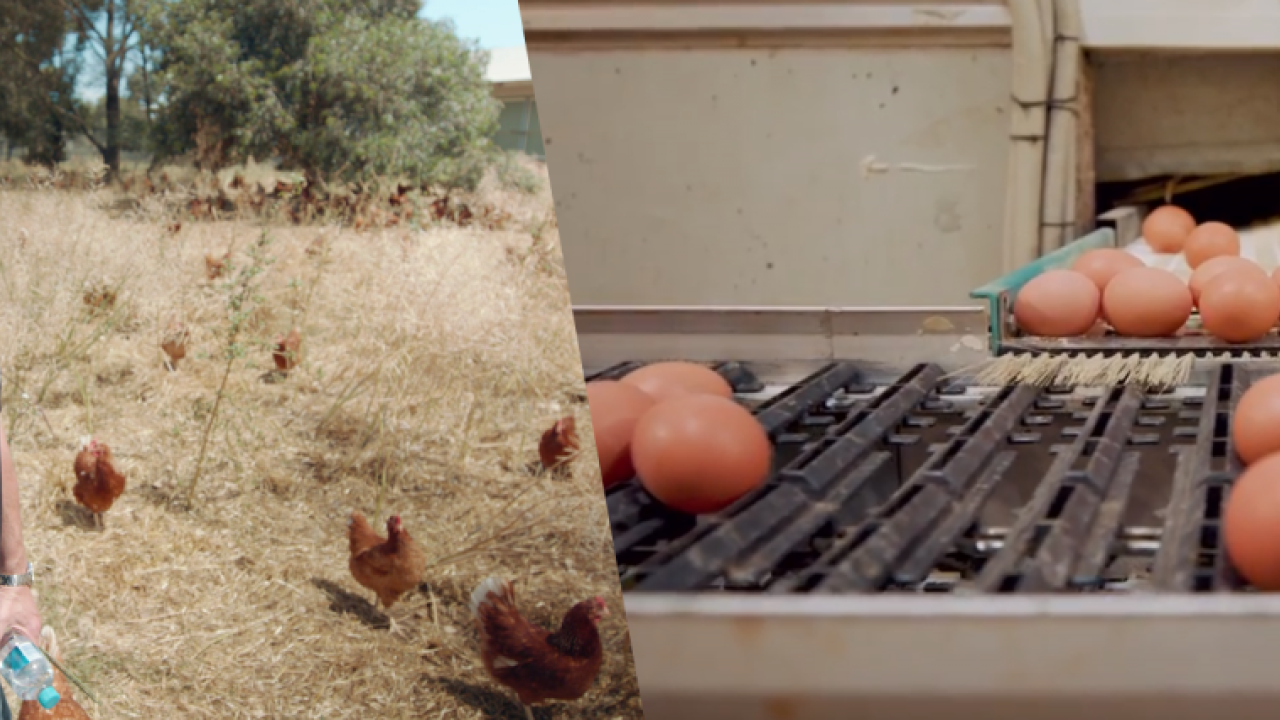
Solar Chicken Farm Shows Sunny Side of Egg Farming
The hens at Happy Chicken Eggs in Victoria, Australia, are some of the luckiest in the country. They live 100% cage free in lush landscapes and open spaces where they can happily peck and forage all day long. Now, they are contributing to the battle against climate change too.
Ecolab Foundation Commits $5 Million to Support Sustainability Research and Education at the University of Minnesota
Ecolab Chairman and CEO Douglas M. Baker, Jr., and University of Minnesota President Eric Kaler announced a $5 million gift from the Ecolab Foundation to the University-wide Driven campaign, in support of environmental sustainability research and education. A cornerstone of the Ecolab Foundation gift is $2 million to establish an endowed chair for the Institute on the Environment.
Sharing a Behind-the-Scenes Look at Sustainable Forestry with Consumers
From furniture to paper products, we all use forest products every day. And we all share a personal responsibility to protect our forests for the generations to come. Because trees provide the air we breathe, clean water to drink and resources we need to live, as well as playing an important role in combatting climate change through carbon sequestration, it’s important to do what we can to preserve forests today.
Climate Change Moves From Risk to Reward
Financial players and their investors have much to gain from the shift toward greater sustainability. These investments offer a dual benefit: they lower emissions, speeding the transition to a low-carbon economy, and they can make (or save) money. People are increasingly aware of the first two pillars of sustainable investing -- risk identification and transparency. Now we need to inform them about the third: the need to drive capital toward sustainable opportunities, both at home and internationally.
Balancing Energy Trilemma in Low Carbon Transition
As the United Nations climate change summit opened in Poland this week, delegates of almost all countries in the world are expected to set out how to implement the Paris Agreement and report the nations’ progress.
GRI
From “Disclose” to “Disclose What Matters”: The Growing Role of Investors in Sustainability Reporting
Investors have a growing role in sustainability reporting. Their actions are key to encouraging reporters to move towards disclosing what matters. They have an interest in better performance along with other stakeholders, as it brings higher returns. One way to promote that is by ensuring that the companies they invest in are transparent about the effects they have on the economy, society and the environment. The virtuous circle in which transparency reinforces good performance will result in benefits to the investors, better off societies and less damage to the environment.
The 4 Critical Steps to Climate Leadership
Last month, Smithfield Foods, the world’s largest pork producer, pledged to install manure lagoon covers and digesters on 90 percent of its hog finishing capacity in three states. The commitment includes Smithfield’s own operations, contract farms, as well as opportunities for other integrators to join. This will help Smithfield exceed its goal of reducing supply chain greenhouse gas emissions 25 percent by 2025.