Across industries, companies are facing mounting water challenges. Drought, flooding, pollution, and competition for supply are no longer isolated events. They are becoming regular features of a changing climate and shifting regulatory landscape.
On December 10, Nat Geo WILD kicked off its eighth annual Big Cat Week with a week-long programming lineup of stunning and touching specials documenting the lives and plights of big cats around the world. Big Cat Week is an extension of the Big Cats Initiative (BCI), a long-term commitment from National Geographic Society to protect and tell the stories of the planet’s fiercest felines—lions, tigers, jaguars, panthers, leopards and more.
If you answered yes to any of these questions or would just like some hard, reliable facts and data about EHS&S staffing, structure and budgets, then the National Association of Environmental Management’s (NAEM) recently published report based on data from more than 190 companies across industry sectors is perfect for you.
Barclays has become the first UK bank to launch a range of green finance products to help its corporate clients fund low-carbon projects and investments.
In 1998, when Hurricane Mitch devastated Honduras, Dee and Richard Lawrence, along with their daughter Skye, headed south, to help with the country’s recovery efforts and wound up starting a cookstove project that greatly reduces carbon pollution. Eighteen years later, the Lawrences founded Cool Effect to fund carbon-reducing projects around the world.
Consumers Energy has been ranked as Michigan’s top company – and ninth in the nation – in Newsweek’s annual “Green Rankings,” a reflection of its commitment to environmental principles that are good for its home state of Michigan and customers. Consumers Energy was flanked by Apple and Johnson & Johnson on the list of top performing companies in the country. California-based Cisco Systems finished first overall.
The CITGO Lemont Refinery, in partnership with The Conservation Foundation and the Village of Lemont, continued their environmental restoration project in the Heritage Quarries Recreation Area (HQRA) this past October. Volunteers worked together to remove invasive plant species in visible areas by trimming trees and removing invasive brush.
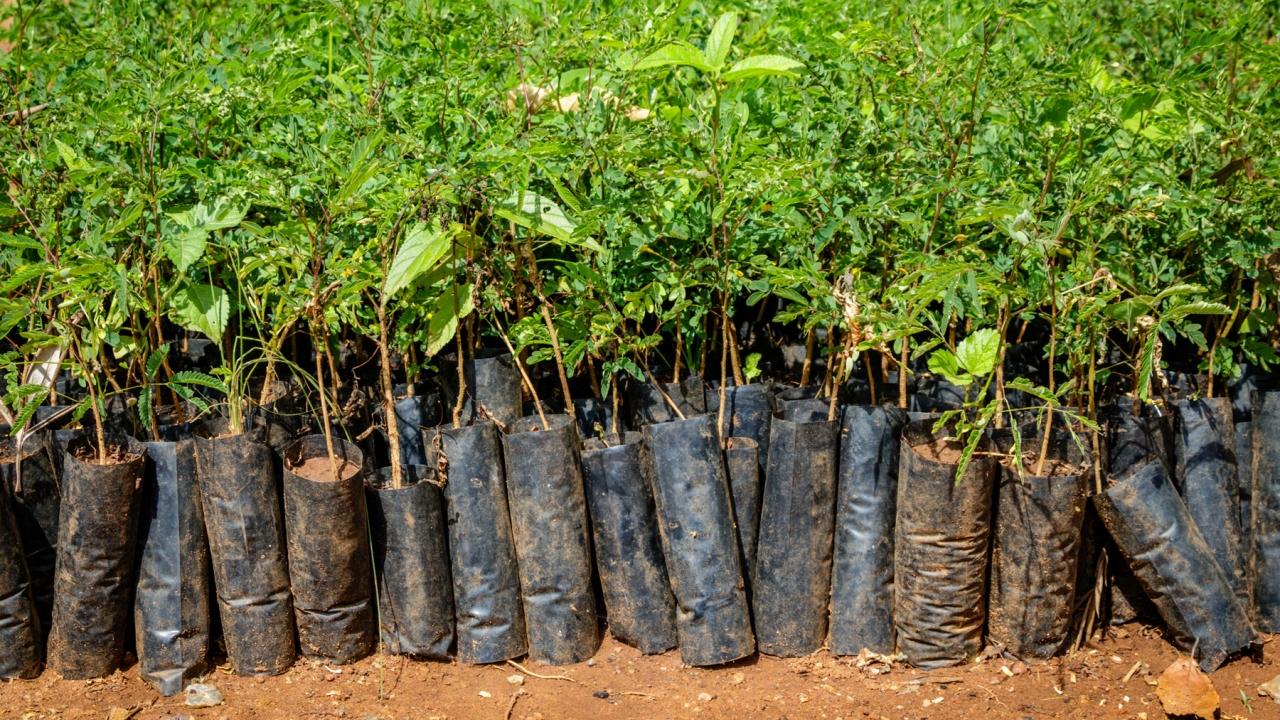
Less than a decade ago, the hills of Tuiyobei village in Kenya’s Rift Valley were nearly bare, with few trees or shrubs beyond the coffee plantations that yielded very little. The rain was sporadic, temperatures were rising, and crop yields and livelihoods were deteriorating. High deforestation triggered by increasing demand for firewood, lumber and charcoal had degraded the ecosystem.
The Paris Agreement, reached at COP21 in December 2015, aims to keep global temperature rise this century to well below 2 degrees Celsius above pre-industrial levels. Nationally Determined Contributions (NDCs) are the main tool for defining countries’ contributions to the Agreement, and most developing country NDCs identified agroforestry as a key part of their climate strategy.
Keep America Beautiful, the nation’s iconic community improvement nonprofit organization, today announced Keep Tennessee River Beautiful (KTnRB) became its first certified river-based affiliate. Keep Tennessee River Beautiful will focus on the waterways adjacent to the 652-mile Tennessee River, which flows through three states – Tennessee, Alabama and Kentucky.
In states where Key has a presence, there are approximately 1.7 million low- to moderate-income (LMI) households. Many LMI individuals don’t have bank...
Antea Group's health and safety consultants understand what it takes to help make a positive impact on safety culture. Read blogs, insights, and more...
Periodically, CSRHub publishes new research regarding sustainability and corporate social responsibility. Most of the research is conducted by CSRHub...
Join us as we travel the world to uncover real stories of impact—from landfills and energy transition to workplace safety, emerging contaminants, and...