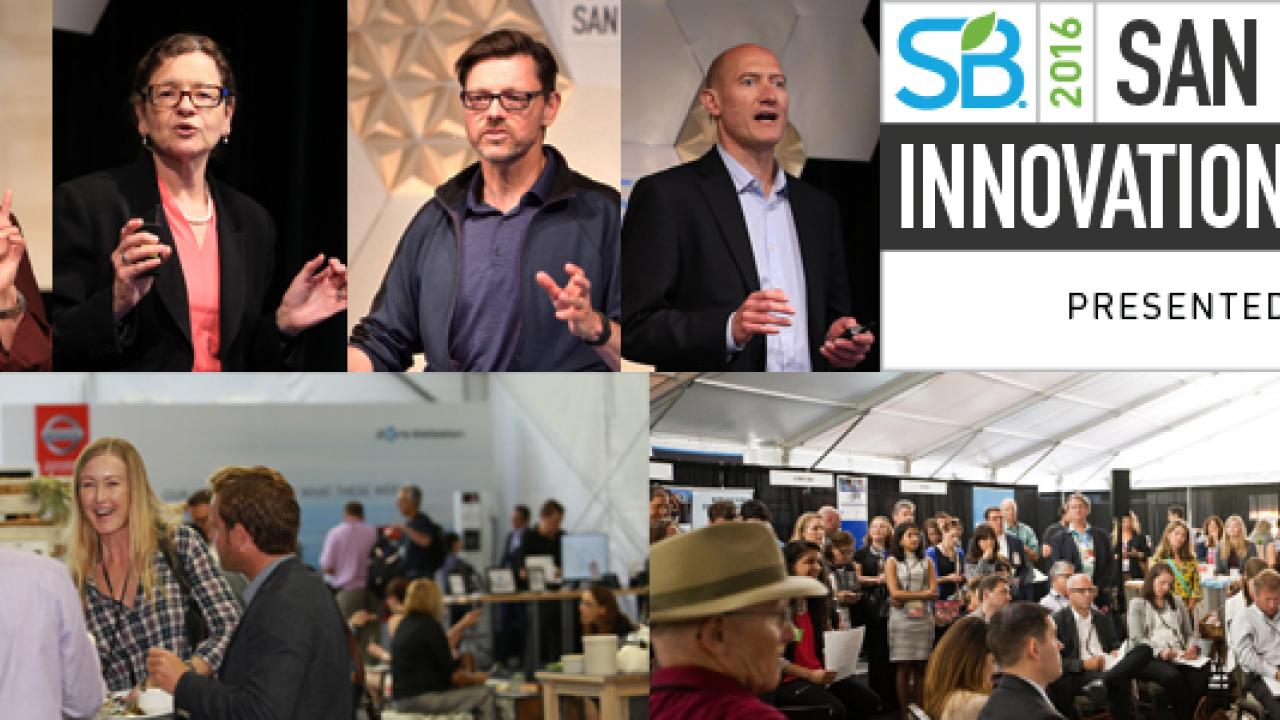
The automotive industry is under pressure from every direction. Electrification, software-defined vehicle architecture, lightweighting, manufacturing transformation, repair and recycling are not isolated challenges.
While governments and businesses have reaped big benefits from the revolution in big data and software analytics, nonprofits sometimes lag behind the public and private sectors when it comes to adopting advanced machine learning techniques.
Clean data is the gateway to supply chain visibility and allows companies to identify risk. Companies that take a risk based approach tend to have the most success because it allows them to dissect their supply chains in pieces, and not analyze the supply chain as a whole.
A new whitepaper, Accountability for Climate Action: How Corporations Are Tackling Climate Change, shows that businesses are a powerful force in addressing climate change, with a large majority making commitments to increase energy efficiency, reduce CO2 emissions or increase the use of renewables.
Many companies offer products that can be differentiated by carbon footprint or impact on emissions reduction. Industries leading the way include utilities, industrial goods manufacturers and those supplying basic materials.
While it's not uncommon for companies look to their own operations to improve energy efficiency, over 70 percent of the largest businesses target internal processes as the most common way to help mitigate #ClimateChange. See the variety of actions business leaders are taking and considering for the future. http://bit.ly/263pLl6
At T. Rowe Price, living our values means always putting our clients first; fostering a collaborative, respectful, and inclusive work culture for all...
Position Action Against Hunger as a leading advocate for policy change and investment—calling for increased public health spending, improved nutrition...
Focus on preventing and treating malnutrition across life stages. Highlights include early detection, community-based treatment (e.g., MUAC screening...