When people think of paper manufacturing, the first natural resource that comes to mind is probably trees. But water plays an equally important role in our industry. That’s why sustainable water management is one of our top priorities.
As the world’s largest food and beverage company, Nestlé is committed to preserving resources for future generations. It aims to do so by reducing water use across its operations, using sustainably managed and renewable resources, and achieving its goal of zero waste. Ecolab’s Nalco Water business helped a Nestlé milk production plant in southeastern Brazil reduce energy use, water consumption and CO2 emissions.
The scale of the problem is staggering. Each year, 1.6 billion tons of food worth about $1.2 trillion are lost or go to waste—one-third of the total amount of food produced globally.1 To put the figure in perspective, that is ten times the mass of the island of Manhattan. And the problem is only growing: BCG estimates that by 2030 annual food loss and waste will hit 2.1 billion tons worth $1.5 trillion.
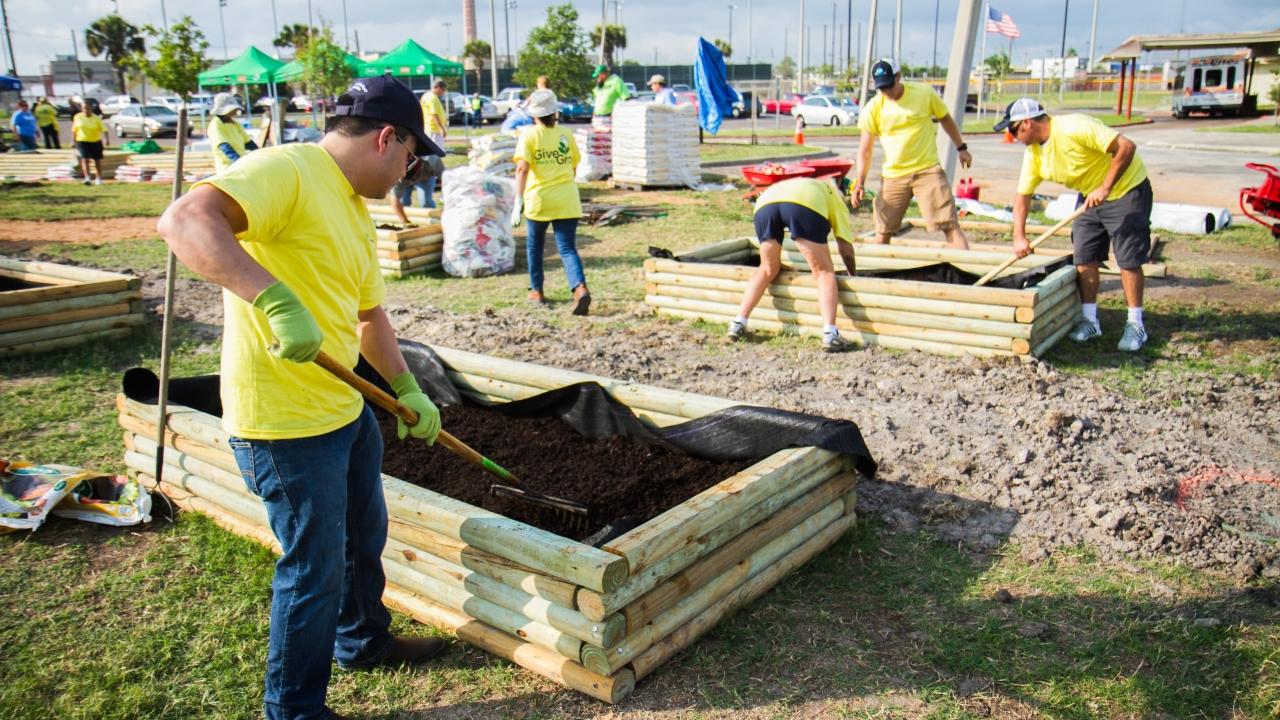
To her, the parks are personal. She honed her basketball skills on the courts. Her family gathered at the picnic tables. She ran drills out in the grass fields.
Twice a month the Beverage Industry Environmental Roundtable (BIER) is highlighting their members' beverage industry sustainability insights and ideas in their BIER Member Spotlight series. These spotlights include their answers to questions about their company's sustainability achievements and strategy, practical insights from BIER, interesting facts, and more.
Global water technology company, Xylem (NYSE:XYL), has been included on FORTUNE’s 2018 "Change the World" list, a ranking of 50 companies that have made a significant social impact through their core business strategy. Listed as number 7 in the ranking, Xylem has been recognized for creating tangible social value through its innovative solutions that are helping to solve water challenges across the world.
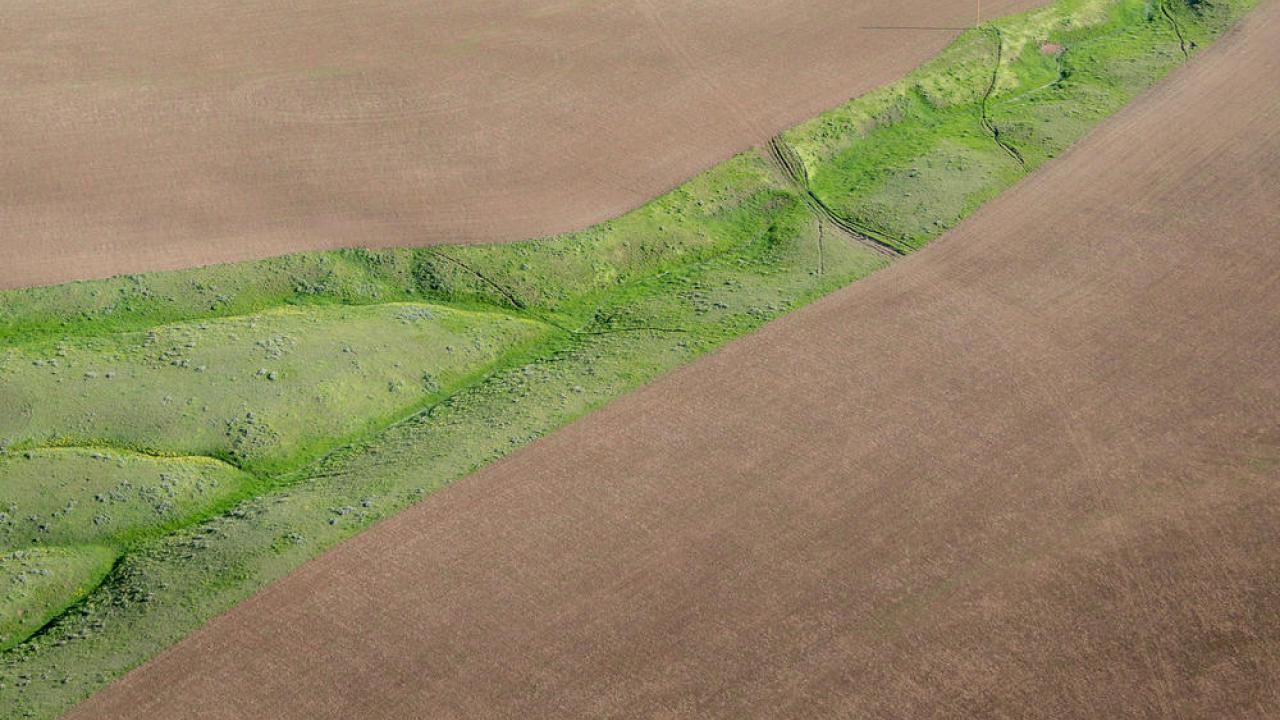
Agroforestry is a major component of efforts to reduce the impact of climate change on farming. The practice of integrating trees into agriculture is a long tradition in most farming systems throughout the world. Agroforestry not only helps diversify farmers’ portfolios and spread risk but also provides environmental benefits that can only come from deep-rooted perennials, including sequestering carbon.
“There is space for trees in refugee settlements,” Clement Okia told officials, NGOs, donors and UN agencies on 30 June 2018, as the World Agroforestry Centre (ICRAF) closed its first agroforestry project for refugees. “Before we started, we did not realize that refugees have such a commitment to plant,” said the ICRAF country representative in Uganda.
The SCS Kingfisher certification mark is showing up on an increasing number of products around the world. It differentiates companies that are making...
Cascale organizes and participates in a series of events, leveraging its position as a global convener of close to half the sector to bring together...
At Marathon Petroleum, our professional truck drivers share one common vision: no accidents, no injuries, and no harm to the environment. We’re proud...
GoDaddy, the world’s largest domain name registrar, helps millions of entrepreneurs globally start, grow, and scale their businesses. People come to...
Environmental Responsibility: We’ve achieved 14 out of 16 of the environmental goals we set in 2010, and we will accelerate our progress as we work to...
We are accelerating our efforts to help build a low-carbon economy and avert the worst impacts of climate change. Our goal to reduce our GHG emissions...
Join us as we travel the world to uncover real stories of impact—from landfills and energy transition to workplace safety, emerging contaminants, and...