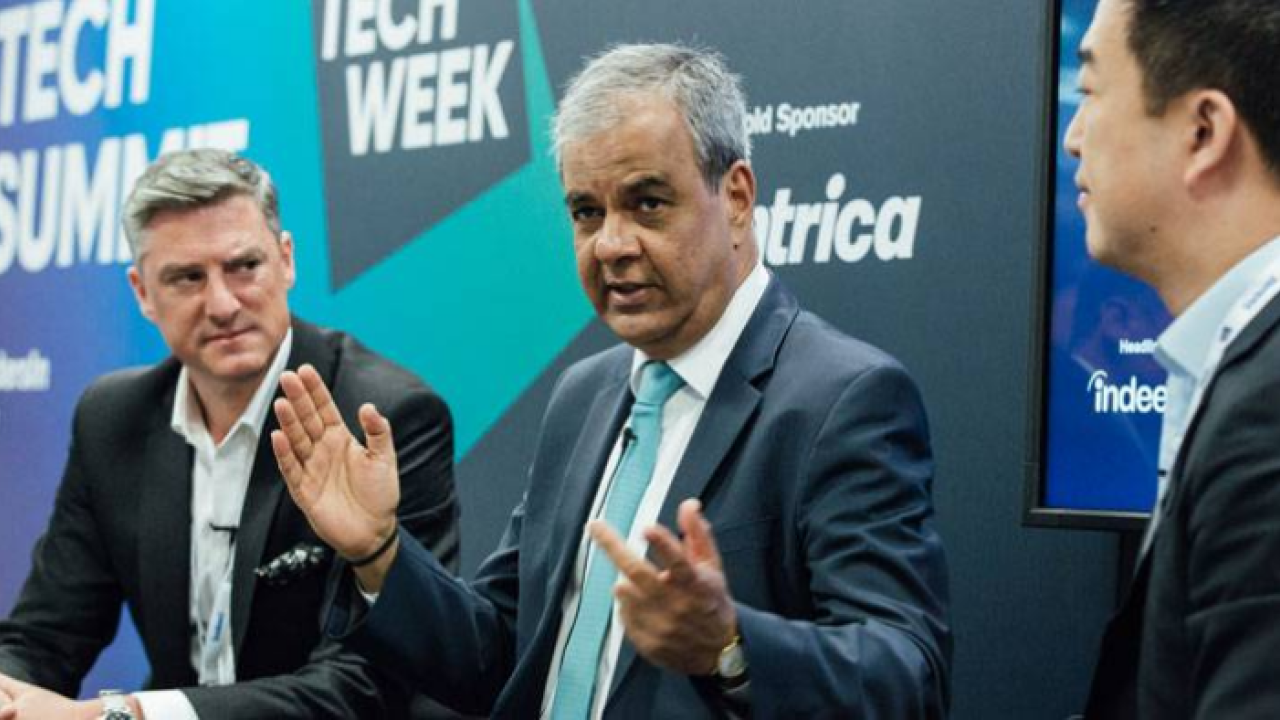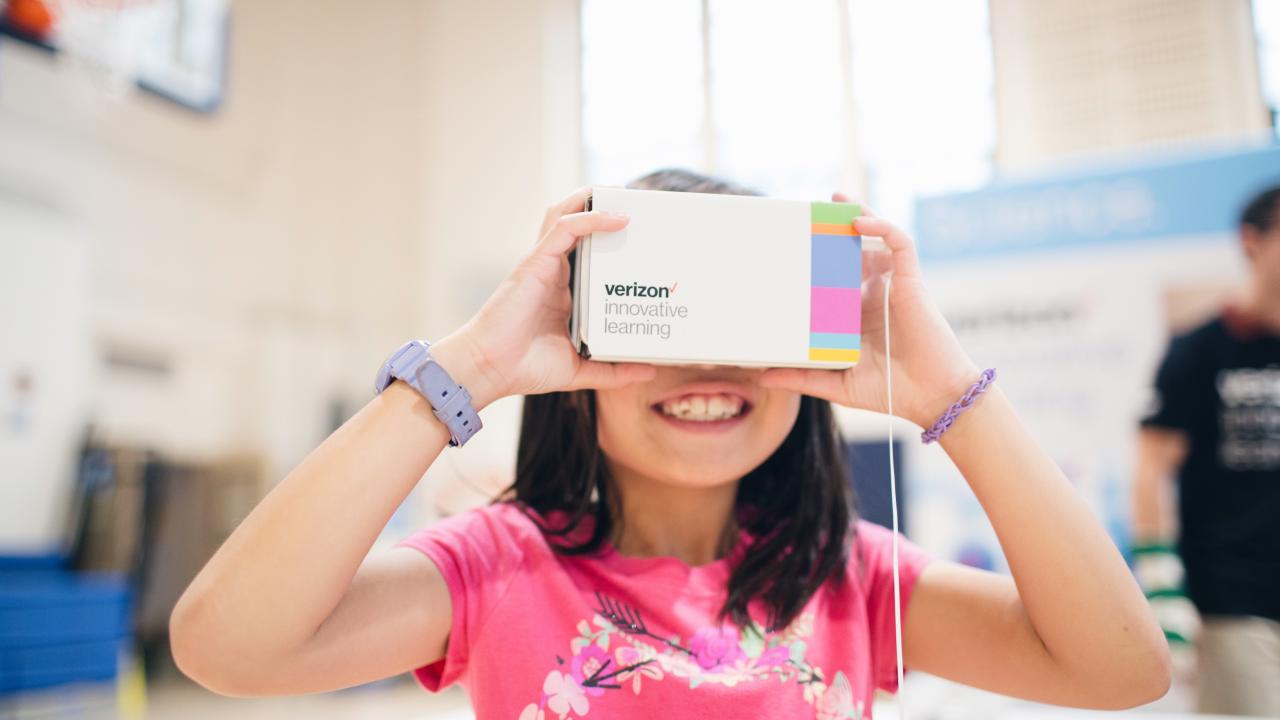
We are at the brink of a new era of digital transformation and global connectivity. By 2020, more people will have mobile phones than have electricity or running water in their homes or villages, connecting billions of people in unprecedented ways. The pace of technology is also opening up new ways of tracking resources, increasing efficiencies, and accelerating our irreversible path to a decarbonized world.
This week, the U.S. Chamber of Commerce Foundation Corporate Citizenship Center, The Sustainability Consortium (TSC), and the Retail Industry Leaders Association (RILA), along with support from Tarkett, launched the Circular Economy Toolbox, an online platform to help companies incorporate more sustainable business practices that eliminate waste and increase efficiency.
2015 was a year filled with positive achievements for our collective future, with the adoption of both the UN Sustainable Development Goals (SDGs) and the Paris Climate Agreement. However, in 2016, the voices of many in the world told us clearly that good intentions are not enough and that the current economic system is broken for them, with many asking whether the costs of globalisation are greater than its benefits. And now, nearly half-way into 2017, the world continues to face economic, social, environmental and political uncertainty.
The Volkswagen brand has set itself new, ambitious targets for reducing the environmental impact of production. By 2025, vehicles and components are to be produced in a way which is 45 percent more environmentally compatible than in 2010, the reference year for the current Think Blue. Factory. environmental program.