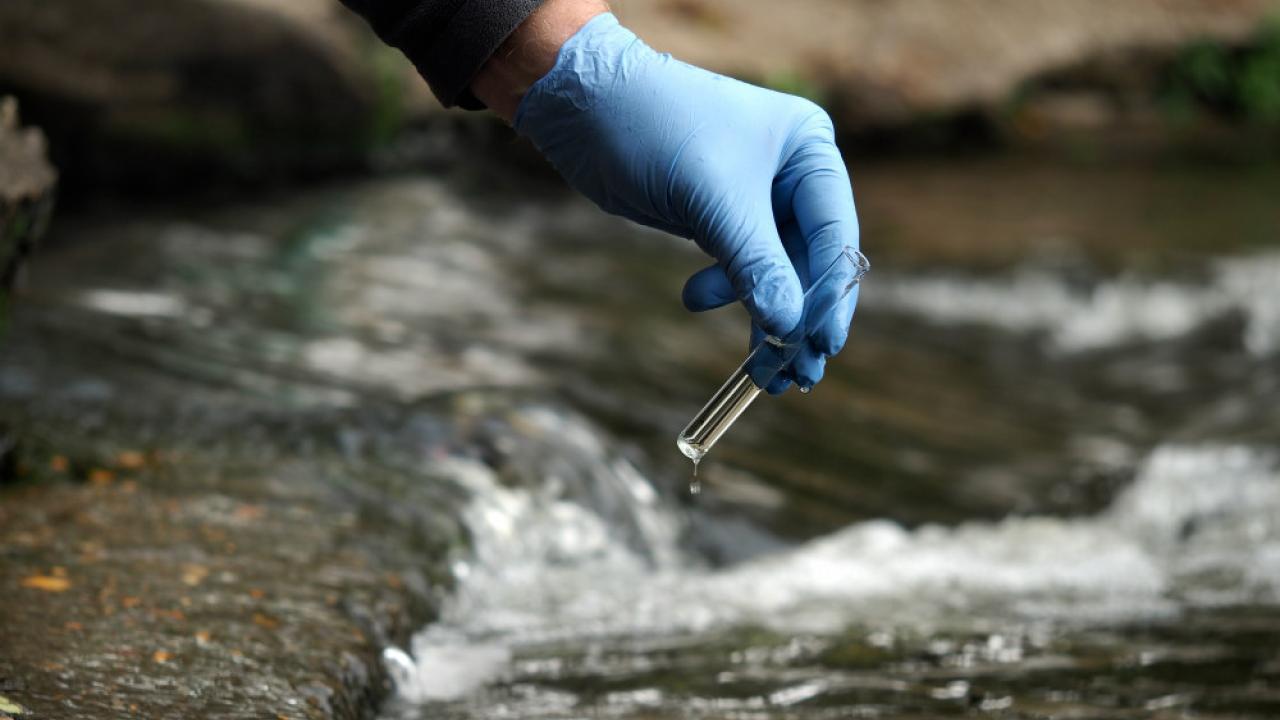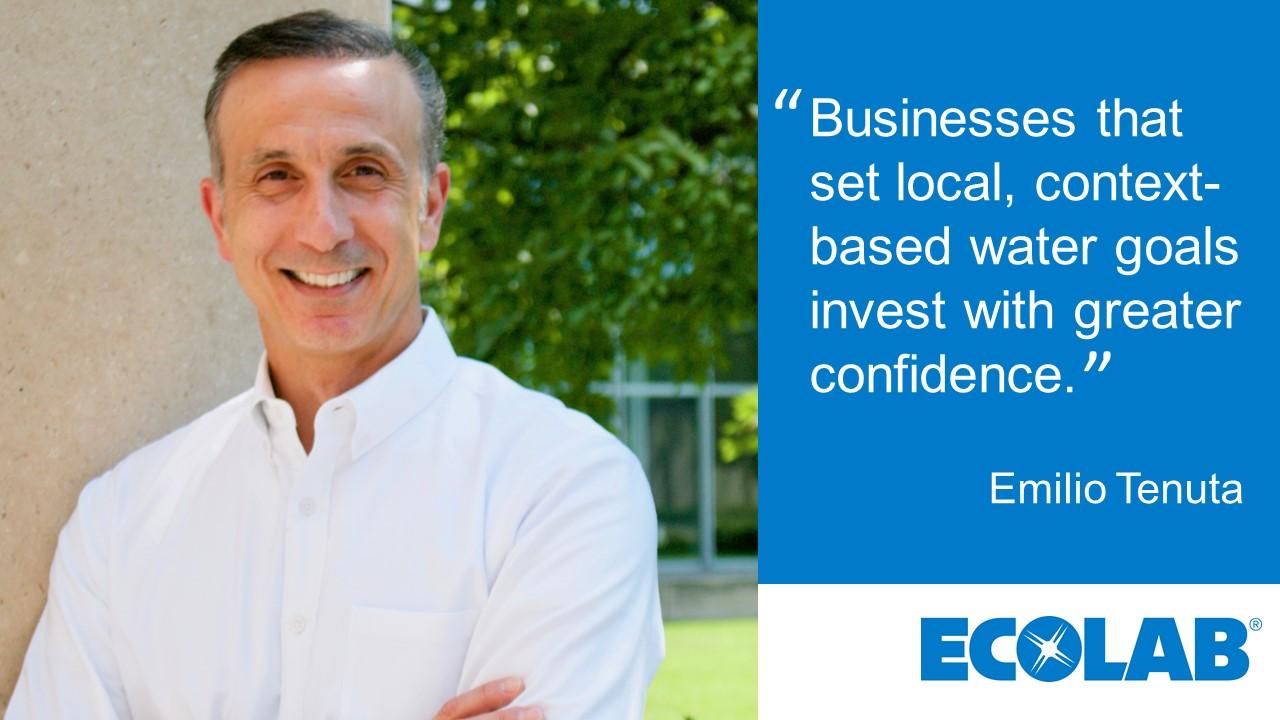
Across industries, companies are facing mounting water challenges. Drought, flooding, pollution, and competition for supply are no longer isolated events. They are becoming regular features of a changing climate and shifting regulatory landscape.
The outdoor industry has continued to increase the stakes around accountability over the past few years, engaging consumers with storytelling initiatives and innovating supply chains to create climate-beneficial products. But how do these efforts ladder up to the overall health of our planet? One Swedish outdoor retailer is testing a new approach to gain a better understanding of the effect its operations have on the environment and how to align its sustainability missions accordingly.
Last Friday was International Ocean Day -- a day that we celebrate the 71 percent of our planet that is covered with water. But, increasingly that water is filled with plastic, and it’s slowly killing us.
Just below the surface of Malaysia's bright blue and green waters, fish nets bob up and down in the ocean's current, bustling with abundant sustainably raised snapper, grouper, and seabass. It wasn't always like this. Mr. Lee Ya Qu, founder of Aqua Ceria fish farm, reflects, "I chose to give up fishing and started aquafarming because there were no fish left."
Trees bring so much benefit and beauty to the landscape, it can be hard to part with them. But, while a tree may seem healthy to the untrained eye, it could be a disaster waiting to happen. Tree removal is usually a last resort, when no other safe management option, like pruning or disease mitigation, is sufficient. Dead, dying or otherwise hazardous trees can lead to thousands of dollars in damage, plus the priceless cost of personal injury. Often a tree doesn’t look dangerous until after a storm or heavy snow exposes its vulnerabilities.
As part of the Global Climate Action Summit, WWF, together with a broad coalition of partners, today issued the 30X30 Forests, Food and Land Challenge: calling on businesses, states, city and local governments, and global citizens to take action for better forest and habitat conservation, food production and consumption, and land use, working together across all sectors of the economy to deliver up to 30% of the climate solutions needed by 2030.
Sappi North America saw many successes in 2017 despite challenging market headwinds. To our employees, customers and other partners whose dedication contributed to those successes, I thank you.
Our focused strategy and continued investment in our assets and operations set the foundation for our business success, but the nimbleness of our team in responding to changing markets with new products, new services and new ways of doing business really made the difference. That same agility and focus will define our performance in 2018 and beyond, ensuring that we meet our business plan and set new standards of excellence.
Farming, like all investments, carries some degree of risk. How SFP mitigates these risks is unique and key to the opportunity. Market demand for organic food is the fastest growing section in the grocery store isles. Geographically, SFP’s established farm operating network is spread out to minimize the impact of local weather events. Our distributed farm network is focused on areas with the best available soil. Linking our farming network provides the opportunity to negotiate better offtake agreements and to negotiate greater discounts on inputs. And in the event of any crop damage due to a weather event that diminishes our yields, we have crop insurance covering up to 85 percent of our crop loss paid at our higher organic prices.
Sustainability is integral to General Motors’ business strategy and core to the company’s global operations, as demonstrated in its latest Sustainability Report (gmsustainability.com) released today.
This true story begins with a strange orange glow in the sky that awakened me at 1:00am on the morning of Oct 9th, 2017. Stepping outside into a howling wind, I watched in horror as a huge wildfire burned on the distant ridge. The wind was blowing away from us, so I was very concerned about our neighbors below the ridge in Potter Valley, never dreaming that at the same time the Redwood Complex Fire was racing around the bottom of the ridge and heading straight to Frey Vineyards and engulfing the only paved road out...
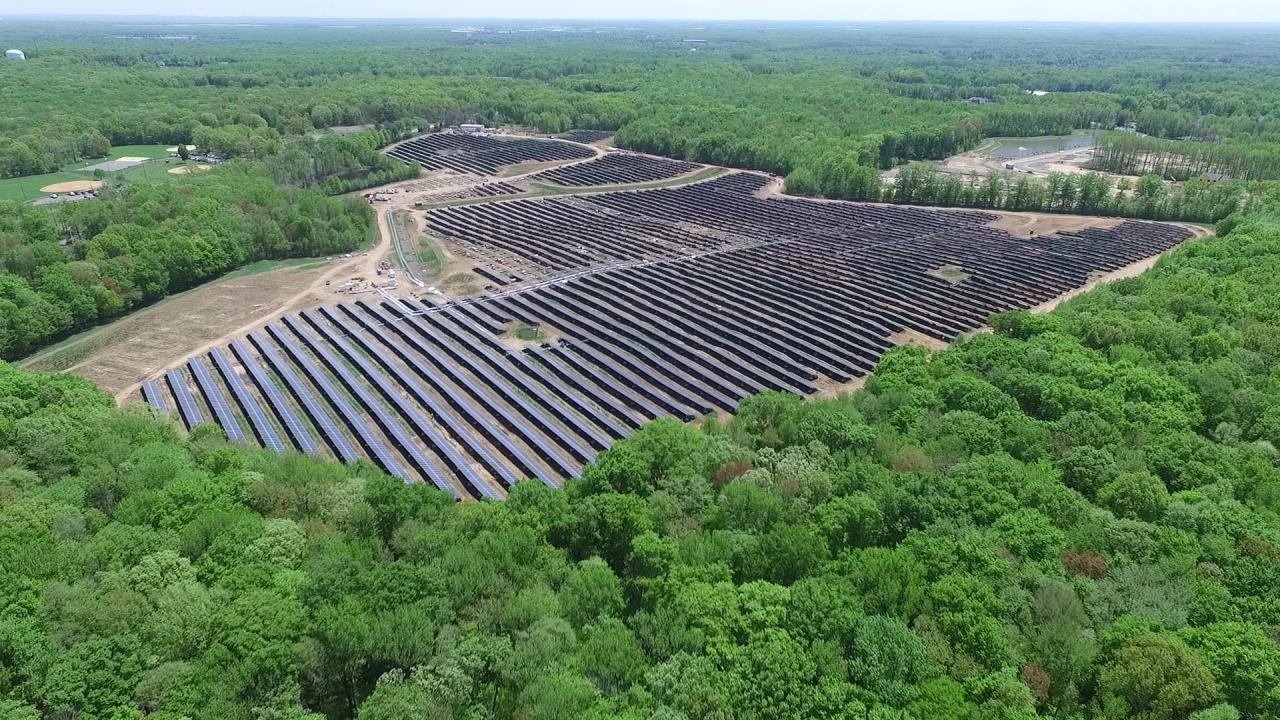
Mars bars are taking a step towards being carbon neutral after the company that makes them signed a 20-year deal in Australia to generate 100 per cent of its electricity from renewable energy by 2020.
In states where Key has a presence, there are approximately 1.7 million low- to moderate-income (LMI) households. Many LMI individuals don’t have bank...
Antea Group's health and safety consultants understand what it takes to help make a positive impact on safety culture. Read blogs, insights, and more...
Periodically, CSRHub publishes new research regarding sustainability and corporate social responsibility. Most of the research is conducted by CSRHub...